Areas we serve
Our crews work out from the DC line in three directions: Montgomery County, Maryland, Washington, DC and Northern Virginia. Beyond those, we take projects across the rest of the Maryland suburbs case by case. Mention your ZIP code on the installed price form and we will confirm before you spend any time on it.
Our three service area pages
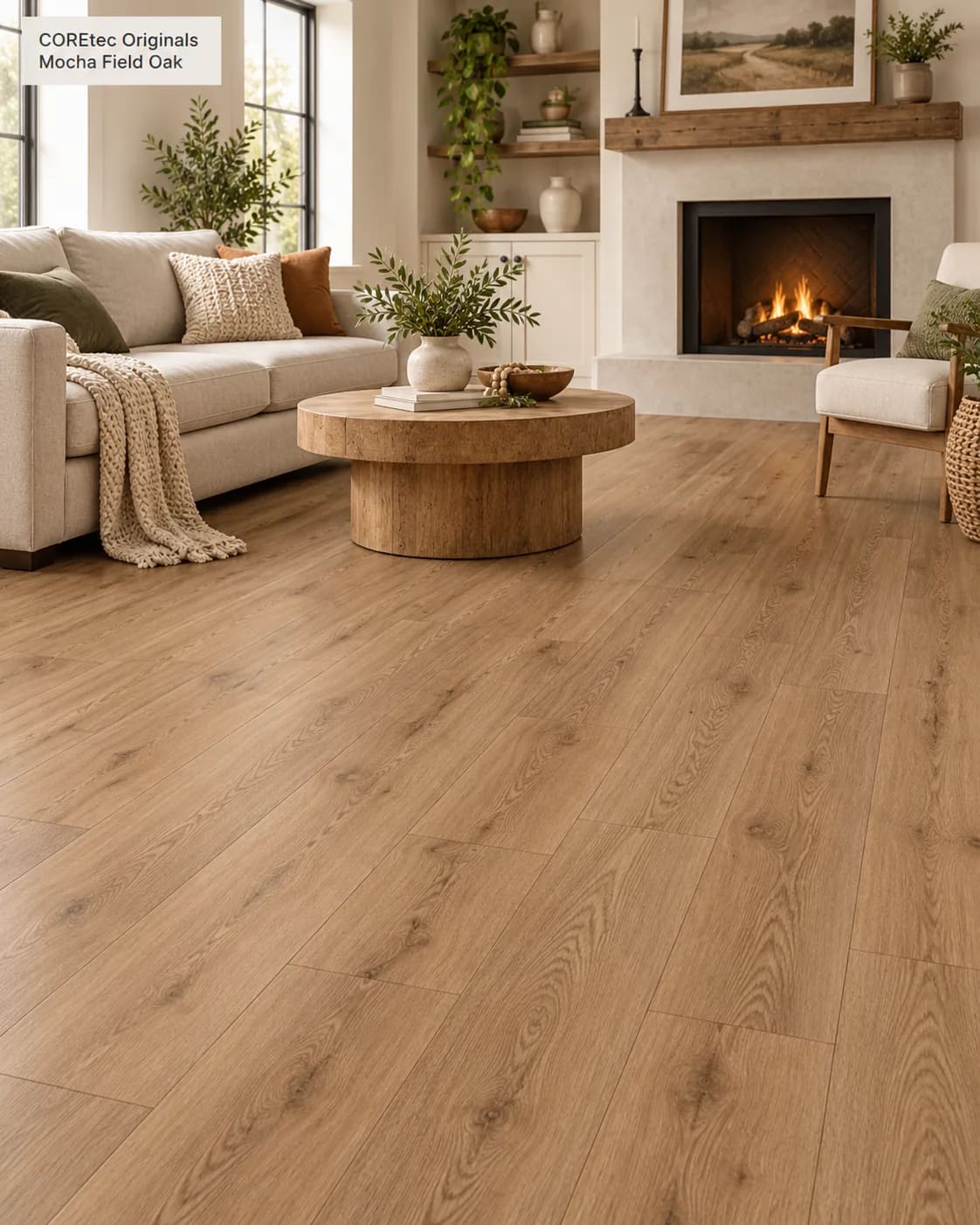
Washington, DC
Rowhouses, condos and English basements from Capitol Hill and Petworth to Cleveland Park and Chevy Chase DC.
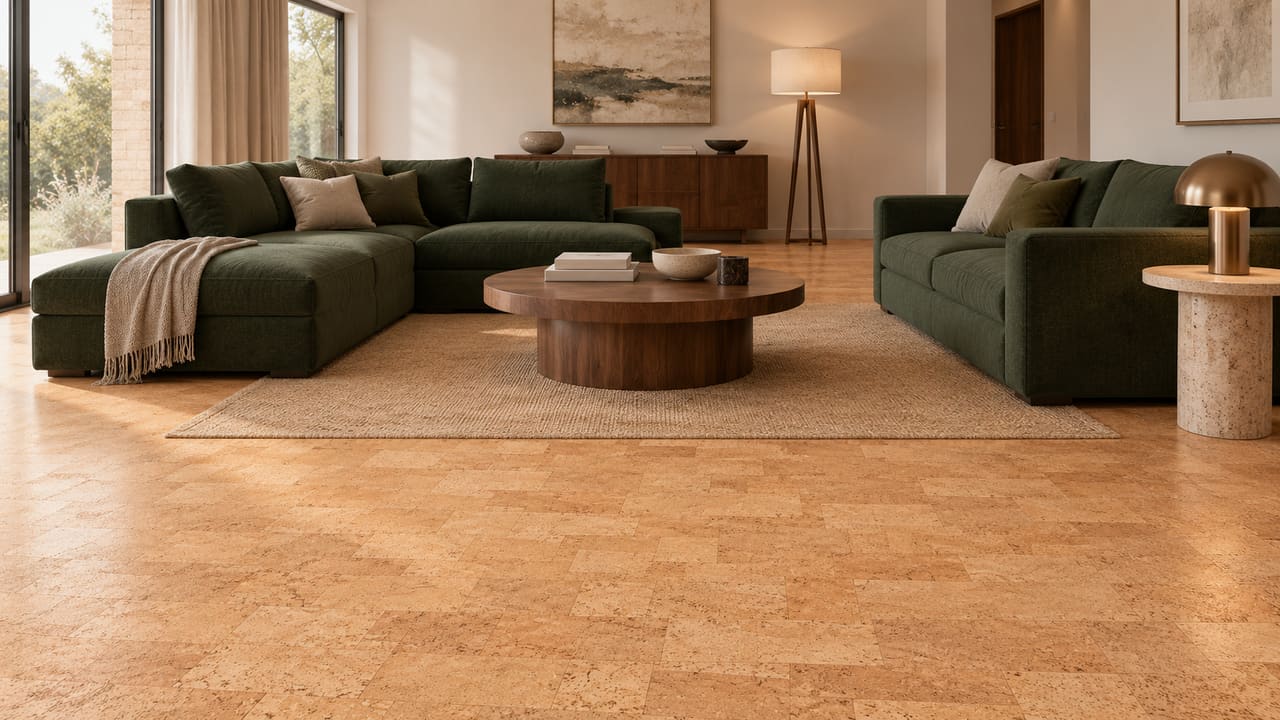
Montgomery County, MD
Montgomery County: Bethesda, Chevy Chase, Potomac, Silver Spring, Rockville, Kensington, Takoma Park and Gaithersburg.
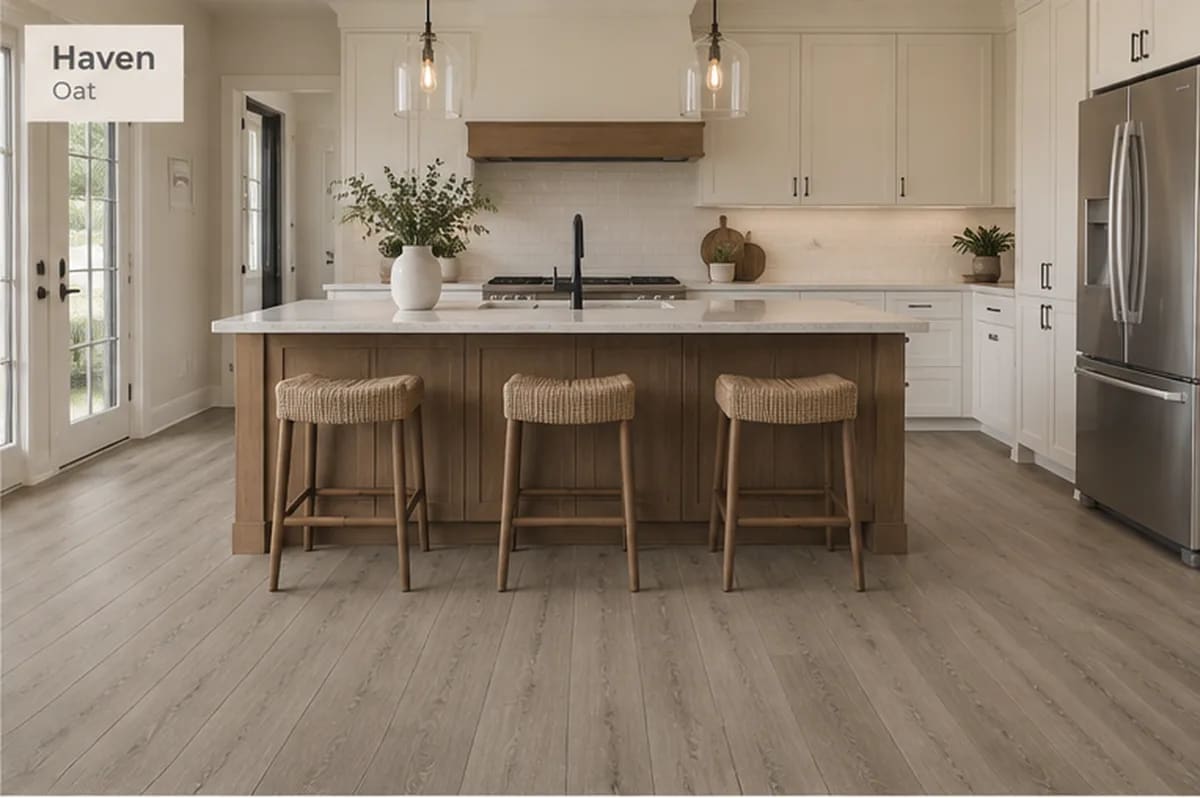
Northern Virginia
Arlington, Alexandria, McLean, Falls Church, Vienna and Great Falls.


Maryland counties we serve
Montgomery County is where most of our Maryland work happens and the only Maryland county with its own page. The rest we reach regularly; distance changes the schedule more than the price.
Montgomery County
Bethesda, Chevy Chase, Potomac, Rockville, Silver Spring, Kensington, Takoma Park, Gaithersburg and up-county. Center-hall colonials with original oak, condo acoustic rules along Wisconsin Avenue, mid-century kitchens with pre-1980s resilient tile, and finished basements over slab in a county the EPA places in Radon Zone 1.
Howard County
Columbia’s planned villages went up mostly between the late 1960s and the early 1980s, so a Columbia job is usually a split foyer or slab-on-grade house with a lower level at or below grade and a subfloor past its fortieth year. Historic Ellicott City is the opposite case: Main Street flooded in 2011, 2016 and 2018, and the county’s Safe and Sound plan is still building retention ponds and the North Tunnel to reduce it. In that watershed we quote floors that can be lifted and relaid or replaced board by board, not glue-down.
Prince George’s County
University Park, Hyattsville, College Park and Riverdale Park are full of 1920s to 1950s brick colonials and bungalows with narrow-strip red oak hiding under the carpet, which more often wants refinishing than replacing. Newer Bowie and Upper Marlboro subdivisions bring the same finished-basement-over-slab question as Rockville.
Frederick County
Downtown Frederick rowhouses have old, irregular floors inside a designated historic district, while Urbana, Ijamsville and New Market are 1990s-onward subdivisions with flat, modern subfloors. It is the far edge of our range, so Frederick jobs are scheduled in batches rather than one room at a time.
Anne Arundel County
Annapolis, Severna Park and the South County waterfront sit on Coastal Plain sand and gravel rather than Piedmont schist, and summer humidity off the Chesapeake runs high. Wood floors there need the house conditioned and running before delivery, and ground-floor rooms close to the water are a strong case for cork or waterproof plank.
Washington, DC neighborhoods we work in
All eight wards. DC projects are planned around the building as much as the floor: narrow stairs, shared walls, condo bylaws and parking. The Washington, DC page covers the detail.
Capitol Hill, Navy Yard and the Wharf
Rowhouses with original heart pine upstairs and converted English basements below, alongside newer buildings where management sets the work hours and the freight elevator schedule.
Shaw, Logan Circle and Columbia Heights
Narrow, deep rowhouses where material is delivered by the carton rather than the pallet, and where floor height at the front door and the stair nosing decides what can go down.
Petworth, Brookland and Takoma DC
Bungalows and smaller rowhouses, many with a below-grade apartment. Those slabs get moisture tested before anything is recommended; see basement flooring.
Cleveland Park, Chevy Chase DC and the Palisades
Larger detached houses where projects usually mix materials across one level, so transition heights between rooms have to be planned before the first carton is opened.
Northern Virginia cities we cover
The inner suburbs closest to the city, from high-rise condos to larger houses with walk-out basements. Details are on the Northern Virginia page.
Arlington
Rosslyn to Ballston condos with written impact-noise requirements, and North Arlington brick colonials and bungalows with original oak worth refinishing.
Alexandria and Old Town
Historic rowhouses with irregular, much-repaired floors, and townhouses built over garage slabs where the lowest level needs the same moisture testing as a basement.
McLean, Great Falls and Vienna
Open main levels and finished walk-out basements, usually engineered hardwood upstairs and a waterproof or cork rigid core below.
Falls Church and Fairfax
Mid-century ramblers on slabs or shallow crawlspaces, where a main-level moisture check is worth doing even though the room is not below grade.
What changes from one area to the next
The products are the same everywhere we work. The building is not. DC rowhouses bring narrow stairs, old heart pine and English basements. Montgomery County brings mid-century kitchens with original resilient tile, Piedmont soils that hold water unevenly against a foundation, and a lot of finished basements in a county the EPA places in Radon Zone 1. Howard County brings Columbia’s 1970s split foyers and, in Ellicott City, a flood history that changes which floor is sensible at all. Northern Virginia mixes high-rise condos under written acoustic rules with larger houses on open main levels.
Wherever you are, the sequence is identical: a measurement visit, moisture testing on any concrete, and one written, itemized price that separates removal, preparation, installation and trim so you can compare quotes honestly. Start with the installed price form, or order samples first and live with them for a few days.
Sustainable flooring, wherever the job is
Every area gets the same catalog: sustainable flooring made mainly from renewable, natural or recycled material, green carpet in undyed wool on natural rubber, cork, Marmoleum, PVC-free waterproof floors and certified low-emission WPC where a room genuinely needs it. What changes by area is which of them suits the house. If you want the reasoning rather than the list, the certifications guide explains what each label actually tests.
Common questions
Which areas do you cover?
Washington DC, Montgomery County in Maryland, and the Northern Virginia suburbs closest to the city. We also take projects in Howard, Prince George’s, Frederick and Anne Arundel counties case by case.
Do you charge more for areas further out?
Labor rates do not change by ZIP code. What changes is scheduling: jobs further from the DC line are batched, so the start date may be later than for an inner-suburb project. Any delivery surcharge is itemized on the written price, never hidden in the per-square-foot rate.
I am outside these counties. Will you still quote?
Send the ZIP code, rough square footage and the rooms on the installed price form. If it is beyond what we can crew properly, we will say so rather than quote a job we cannot schedule well.
Can I buy material from you and install it myself?
Yes, anywhere we deliver. The product pages list the manufacturer requirements the warranty depends on, including acclimation, subfloor flatness and moisture limits.
Where these facts come from
- Flood Mitigation Projects (Ellicott City Safe and Sound), Howard County Government: Howard County flood mitigation plan for historic Ellicott City after the 2011, 2016 and 2018 floods, including the retention ponds and the North Tunnel.
- EPA Maps of Radon Zones and Supporting Documents by State, US Environmental Protection Agency: The EPA Map of Radon Zones, which places Montgomery County in Zone 1.
- Physiographic Map of Maryland, Maryland Geological Survey: Where the Piedmont ends and the Coastal Plain begins, which is why Anne Arundel County soils behave differently from Montgomery County soils.
Local rules and published figures change. We confirm anything that affects your quote at the measurement visit.

Get an installed price
Tell us the rooms and the floor you are considering. We will measure, test the subfloor and send a written installed price.